

Autism (ASD)
Assessment in Kirkland, WA
Comprehensive Autism Assessment for adults (18 years old and over) in person in the Greater Seattle, WA and online all across Washington . Openings in 1-2 week(s)

Feeling like you don’t belong? Exhausted after meeting with friends? It might not be social anxiety! Taking the step to understand how your mind naturally processes the world is an act of strength.
At Lavender Counseling, I provide in-depth, compassionate diagnostic assessments to evaluate for Autism Spectrum Disorder (ASD), as well as co-occurring conditions like ADHD, anxiety, PTSD, and mood disorders. My goal is to move you from a place of uncertainty to one of clarity, self-acceptance, and tailored, neuroaffirming support.
Get the clarity and support you deserve
Does This Sound Like You?
For women and AFAB individuals, autism is frequently missed in childhood. Because young girls are heavily socialized to be accommodating, quiet, and socially attuned, you likely learned early on to hide your struggles. You studied people like an anthropologist—copying body language, memorizing social scripts, forcing eye contact, and suppressing your sensory distress just to fit in.
From the outside, you seemed high-achieving, polite, or "just a little shy." But on the inside, you were spending immense energy performing neurotypicality.
Decades of overcompensating come at a steep price. An adult Autism assessment can provide answers if you experience:
Decades of High-Level "Masking": You’ve spent your life meticulously managing how you come across. You rehearse conversations in your head before they happen, copy the personalities of people around you, or suppress your natural movements and needs. You’ve become so good at "passing" that no one—including past therapists—realized how hard you were working behind the scenes.
Profound, Inexplicable Burnout: You’ve hit a wall where your usual coping strategies completely collapse. What feels like "depression" or "chronic stress" is actually deep nervous system exhaustion from keeping up the act. Simple daily routines, work, or social events now leave you utterly depleted, unable to function, or feeling mute and frozen.
The Weight of People-Pleasing & Hyper-Vigilance: You live in constant fear of "getting it wrong." You replay interactions for days, agonizing over whether your tone was off, whether your directness was perceived as rude, or if you missed an unwritten social rule.
Unrecognized Sensory Overload: You feel irritable, panicked, or completely drained in bright, noisy, or crowded environments, but spent years dismissing it because you were told you were "too sensitive" or "dramatic." You pushed through physical discomfort until your sensory cup overflowed into meltdowns or shutdowns.
A History of Mismatched Diagnoses: You’ve been treated for chronic anxiety, depression, or mood disorders—or told to "just practice self-care"—without finding real relief. Standard advice rarely worked because it wasn't designed for an autistic nervous system.
A Lifelong Sense of Being an "Alien": Knowing deep down that your brain operates on a completely different frequency, leading to a persistent, quiet shame that you are somehow broken or failing at being a human.
The bottom line: You aren't broken, lazy, or dramatic. You are likely an autistic person experiencing severe burnout from running a marathon in shoes that never fit.
A neurodiversity-affirming assessment isn't about putting you in a box. It's about giving you permission to drop the mask, make sense of your past, and finally build a life that honors your authentic brain.
Specialized Evaluations for Clearer Insights
My assessment services are designed to provide a thorough, neuroaffirming, and accurate picture of your unique mind, strengths, and daily realities. I offer evaluations for adults (18+) across the following core areas:
Autism Spectrum Disorder (ASD, Level 1): We will look beyond surface-level traits to explore how your brain processes the world—examining social communication nuances, sensory processing, masking strategies, executive functioning, and deep-focused interests to provide clear diagnostic answers.
Co-Occurring ADHD (AuDHD): Autism frequently overlaps with ADHD. We evaluate both simultaneously to help distinguish or integrate how attention regulation, executive dysfunction, working memory, and impulsivity interplay with your autistic traits.
PTSD and Complex Trauma (CPTSD): Autistic individuals are often uniquely impacted by chronic stress and trauma. This evaluation looks at the lingering impact of difficult life experiences, assessing for hypervigilance, emotional overwhelm, and trauma responses to guide safe, effective care.
Mood Disorders: A targeted look at conditions like Major Depressive Disorder, Persistent Depressive Disorder, and Bipolar Disorders—helping to differentiate between primary mood conditions, chronic autistic burnout, or neurodivergent emotional regulation differences.
Personality Differences & Disorders: For those navigating long-standing struggles with identity, emotional intensity, or chronic relationship friction, we evaluate for conditions like Borderline Personality Disorder (BPD) to help clarify your experience and map out a path toward stability.
Your Path to Understanding: The Assessment Process
I believe the assessment process itself should be a supportive and transparent experience. Here’s what you can expect when you work with me:
Step 2: Clinical Interview & History Gathering (one 50 min session): This is where I get to know your story. We’ll have a comprehensive discussion about your history, current struggles, symptoms, and strengths. For teens, this will involve meeting with both the parent(s) and the teen.
Step 1: Initial Consultation (20 Minutes): We’ll start with a free virtual or in person consultation to briefly discuss your concerns and determine if a comprehensive assessment is the right next step for you or your teen.
Step 3: Standardized Testing & Questionnaires (at home and one 50 min session): You will complete a set of evidence-based psychological tests and questionnaires tailored to your specific concerns. Some will be done from the comfort of your home and others in session (virtual or in person) of 50 minutes.
Step 5: Feedback Session (one 50 min session): We will meet to go over the results of the assessment in detail. I will explain the findings, answer all of your questions, and provide personalized recommendations for next steps. You will leave this session with a clear diagnosis (if applicable) and a roadmap for treatment, school/work accommodations, and other support.
Step 4: Information Review & Report Preparation: I will score and interpret all the data, integrating it with the information from our interviews to form a complete diagnostic picture. I then compile this into a comprehensive, easy-to-understand report.
Why should I do this?
An Investment in Your Well-Being
A diagnostic assessment is more than just a label. It is an investment in your future that provides:
Clarity & Validation: Finally have a name for your experiences and understand you are not alone.
Tailored Treatment: Stop guessing and start using therapeutic strategies designed specifically for your diagnosis.
Educational & Workplace Accommodations: Your final report can be used to request formal accommodations like extended time on tests (IEP/504 plans) or workplace adjustments. (It is the client’s responsibility to check with their workplace/school if they accept master’s level clinician’s assessments who received additional training in the latter.) Please note that it cannot be used to apply for Social Security Disability (SSI/SSDI). Government and state disability agencies strictly require an official diagnosis from an "Acceptable Medical Source" (such as a licensed doctorate-level psychologist or medical doctor). My assessment focuses on personal understanding, self-advocacy, and therapeutic support—if your primary goal is securing formal government disability benefits, I can gladly refer you to a doctoral-level provider.
Empowerment: Gain a deeper understanding of your own mind and learn to work with your strengths.
A Foundation for Healing & Growth: Move forward with confidence, armed with knowledge and a clear plan.
A Note on Scope & Levels of Support: My practice specifically evaluates for Autism Level 1 (requiring support). If during our initial intake or evaluation process there are indicators of Autism Level 2 or 3 (requiring substantial or very substantial support), I will refer you to a doctoral-level or specialized multidisciplinary provider better equipped to meet those administrative and clinical needs.
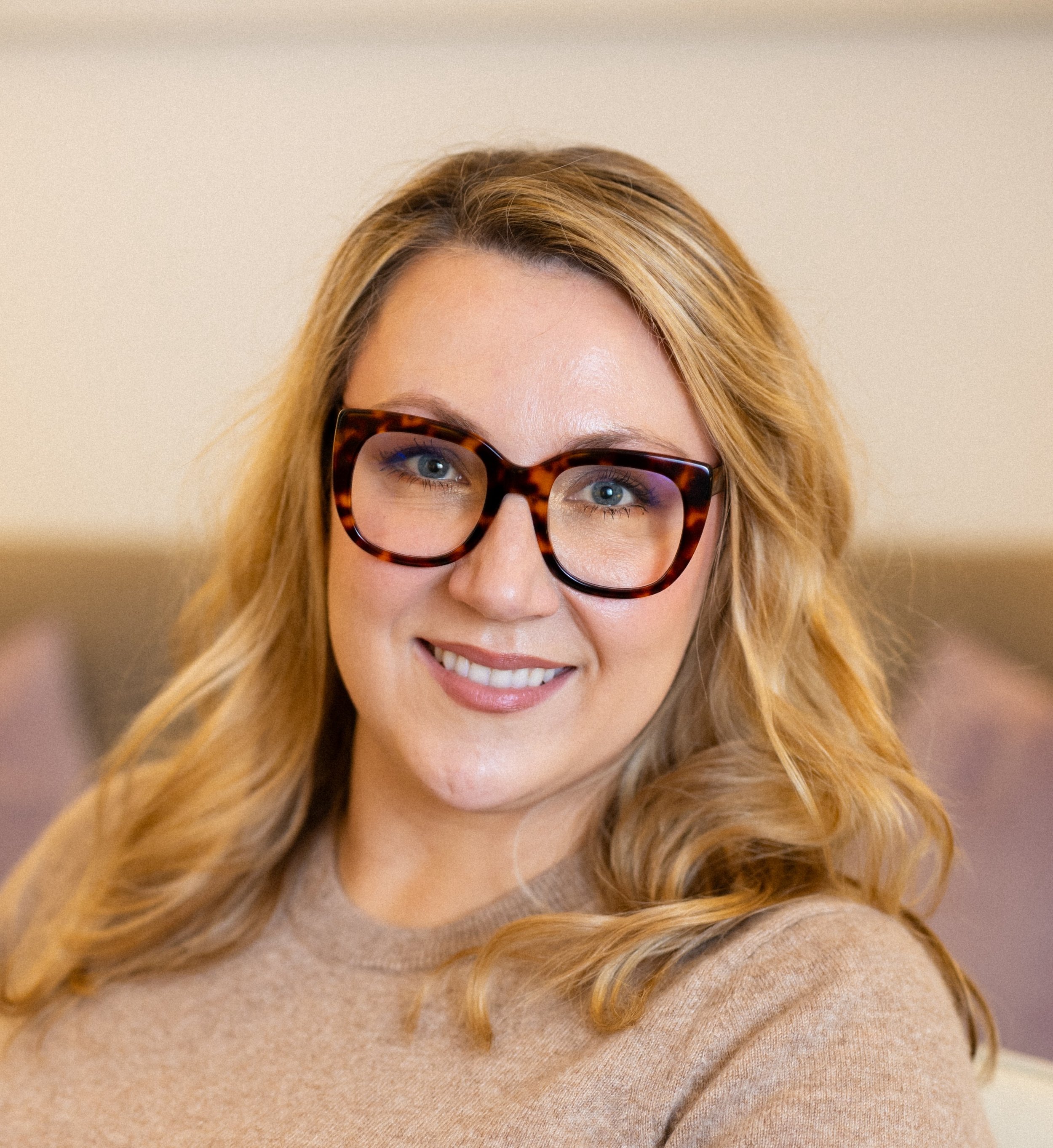
About Me, Anne
As a Licensed Mental Health Counselor, I am passionate about helping people find the "why" behind their struggles. My approach to assessment is collaborative, compassionate, and thorough. I don't just look at symptoms; I look at the whole person. My goal is to create a safe space where you feel heard and understood, and to provide you with a final report that is not just a clinical document, but a useful guide for your life.
My office is located in Kirkland, WA, easily accessible for clients in the Seattle area seeking in-person assessments, or available online statewide.
Frequently Asked Questions
What is the difference between a formal Autism evaluation and an online screening? Online quizzes can highlight neurodivergent traits, but a formal clinical assessment uses validated diagnostic tools, structured clinical interviews, and developmental histories to provide a recognized diagnosis and actionable support plan.
Do I need a physician or doctor referral to schedule an evaluation? No, a referral is generally not required to seek an evaluation in private practice. You can self-refer by reaching out directly through my calendly link to book a free 20 min consultation or by email.
How long does the entire process take? The full process, from initial interview to feedback session, typically takes around 2 to 3 weeks.
What are your fees and do you accept insurance? I offer a flat-rate package of $3,000 for an Autism Assessment that includes all sessions, testing materials, scoring, analysis and report writing (between 8-12 hours of work). While I do not bill insurance directly for assessments, I can provide you with a superbill that you may be able to submit to your insurance company for potential out-of-network reimbursement. Clients are responsible to check their out of network benefits.
What if I think I might be AuDHD (Autistic & ADHD)? You're in the right place! Autism and ADHD frequently go hand-in-hand, so I always screen for ADHD as part of the Autism evaluation process. If you're looking for an ADHD-only assessment, head over to the ADHD Assessment page.
What if I am seeking an assessment for co-occurring conditions like anxiety, OCD, or trauma? Autism frequently overlaps with conditions like ADHD, PTSD, and mood differences. My evaluation takes a holistic view of your mental health history to ensure we differentiate overlapping traits and provide a clear, accurate picture of your unique brain.
Is the assessment conducted in person or online?I have some limited in person openings in my Kirkland office for assessments. I use an HIPAA compliant telehealth platform for all virtual assessment sessions.
Can you test for IQ or dyslexia etc? No, only psychologists can test for those. However if I have suspicions that you might need further testing, I will provide the appropriate referrals for you. You are not alone!
What happens after the assessment? The final report is yours to keep and use as you see fit. Many clients continue therapy with me to work on the recommended strategies, while others use the report to seek specialized care elsewhere or to secure accommodations. The choice is entirely yours.

Clarity is possible!
If you're ready to to find answers finally, I invite you to take the next step. Schedule your free, 20 minutes consultation today.