

How to choose a body image therapist in the Seattle area?
The TL;DR: Reclaiming Your Body in a High-Pressure City
In a city that rewards "optimization" and "data-driven" success, it’s easy to treat your body like a project to be managed rather than a home to live in. If you’re tired of "hacking" your health and want a deeper path to peace, here is what to look for in a Seattle body image therapist:
Move Beyond the Surface: Look for EMDR to process the root-cause traumas "stuck" in your nervous system.
Stop the Internal War: Use Internal Family Systems (IFS) to turn your inner critic into a part you understand rather than a "bug" to be fixed.
Feel to Heal: Prioritize Emotionally Focused Therapy (EFT) and Mindfulness to move from "thinking about" your body to actually being in it.
Reject the Metrics: Seek a Body Trust® and weight-inclusive framework to reclaim your autonomy from Seattle’s intense fitness and "clean eating" standards.
In Seattle, the pressure to "be the best" doesn't stop at the office door. The same drive that makes this city a global hub for innovation can, unfortunately, become a blueprint for how we treat our bodies.
When you live in a high-stakes environment like ours, body image issues aren't just about vanity! They are often a byproduct of a culture that treats the human body like a machine to be optimized.
The "Optimization" Trap: Tech and Hustle Culture
In the land of Amazon, Microsoft, and a thousand startups, there is a pervasive "always-on" mentality. This culture often rewards:
Hyper-Productivity: If you aren't "crushing it," you’re falling behind.
Data-Driven Living: We track our sleep cycles, our steps, our macros, and our heart rate variability. Who has not been personally bullied by their Apple watch and “closing their rings”?
Efficiency: Treating lunch as a "distraction" or something to be "hacked" (hello, protein shakes and standing desks).
How this impacts your body image: When your professional worth is tied to data and output, it’s easy to start viewing your body as just another project to manage. You might find yourself trying to "debug" your weight or "optimize" your appearance to fit a specific image of a high-achiever.
The "Pacific Northwest Aesthetic" and Orthorexia
Seattle has a unique brand of body pressure. It’s rarely about high heels and heavy makeup; instead, it’s about the "effortless" outdoorsy look.
The Fitness Standard: There is an unspoken expectation to be fit enough to hike Mailbox Peak on a Saturday and run a 5k before work on Monday.
The "Clean Eating" Obsession: With our focus on organic, local, and sustainable food, it’s easy for healthy habits to morph into Orthorexia: an obsession with "pure" or "correct" eating.
How this impacts your body image: Because these behaviors are socially praised in Seattle, disordered eating and exercise addiction can hide in plain sight. You might feel like you’re just being "healthy," while internally you are suffering from intense guilt or anxiety if you miss a workout or eat a "non-approved" food.
The Hidden Cost: The "Seattle Freeze" and Internalized Shame
The "Seattle Freeze" doesn’t just affect our social lives; it affects how we process body shame. In a city that values "keeping it together" and intellectualism, admitting you are struggling with your body can feel "shallow" or "weak."
Isolation: You may feel like you’re the only one in your Slack channel who is spiraling about their reflection.
Imposter Syndrome: The same imposter syndrome you feel at work often leaks into your body image. You feel like a "fraud" if you don't look as disciplined or "together" as your peers appear to be.
Moving from "Optimization" to "Embodiment"
If you’ve been trying to "project manage" your body, it’s time for a different approach. My work focuses on helping you shift from Productivity (what your body can do for your career) to Embodiment (how it feels to actually live inside your skin).
If you're ready to move beyond the surface-level advice of "just love yourself" and want a deeper, evidence-based path to healing, here is a guide on what to look for and how the specific modalities I use (EMDR, IFS, EFT, Mindfulness, and the Body Trust® framework) work together to create lasting change.
1. Look for a Root-Cause Approach (EMDR)
In Seattle, we are surrounded by a culture that values optimization. Many people try to "fix" their body image like they’re debugging code. But body image issues are often rooted in past experiences: comments from a caregiver, bullying, or societal trauma, that are "stuck" in the nervous system.
What to ask: "How do you help clients process the memories that shaped their current body image?"
Why it matters: I use EMDR (Eye Movement Desensitization and Reprocessing) to help "reprogram" those painful memories. It allows your brain to file those experiences away so they no longer trigger a physiological "threat" response when you look in the mirror.
2. Seek Parts-Work, Not "Fix-It" Work (IFS)
Have you ever felt like one part of you wants to be free, while another part is constantly critiquing your reflection? You aren't "broken"; you're a system of parts trying to keep you safe.
What to ask: "How do you handle the 'inner critic' or the parts of me that feel ashamed?"
Why it matters: Through Internal Family Systems (IFS), we view those critical voices as "protectors." Instead of trying to exile them, we get curious about them. This creates a compassionate "Self" that can lead your internal system toward harmony rather than constant civil war.
+1
3. Prioritize Emotional Connection (EFT)
Body image isn't just a thought; it’s a feeling. Often, we use body dissatisfaction to mask deeper emotions like loneliness, fear, or a lack of belonging.
What to ask: "How do we work with the actual emotions I feel in my body during a session?"
Why it matters: EFT (Emotionally Focused Therapy) helps us identify the primary emotions underneath the "body talk." By focusing on these core feelings, we can transform the way you relate to yourself and others, moving from isolation to secure connection.
4. Find an Embodied Practice (Mindfulness)
It is impossible to heal your relationship with your body if you are only living from the neck up.
What to ask: "Do you incorporate grounding or somatic practices into your sessions?"
Why it matters: Mindfulness isn't just about sitting on a cushion; it’s about noticing, without judgment, the sensations occurring in your body right now. It’s the bridge that allows you to move from "thinking about" your body to "being in" your body.
5. Demand a Weight-Inclusive Framework (Body Trust®)
In a city that loves its "health" metrics, it is vital to find a therapist who rejects diet culture and weight stigma.
What to ask: "What is your stance on Health at Every Size (HAES) and the Body Trust® framework?"
Why it matters: I work within the Body Trust® framework, which is a weight-neutral, trauma-informed approach. It’s about reclaiming your body from the systems that told you it wasn't enough. It’s not about "body positivity" (which can feel like another chore); it’s about the quiet, radical act of trusting your own skin again.
Ready to Start?
Choosing a therapist is a deeply personal decision. If you’re in the Seattle area (or anywhere in Washington via telehealth) and these modalities resonate with you, I’d love to help you navigate this journey. Book a free consultation here or email me if you have any questions.
Disclaimer: The information provided in this post is for educational purposes only and does not constitute medical advice, diagnosis, or treatment. Always consult with a qualified healthcare professional regarding your specific health needs.
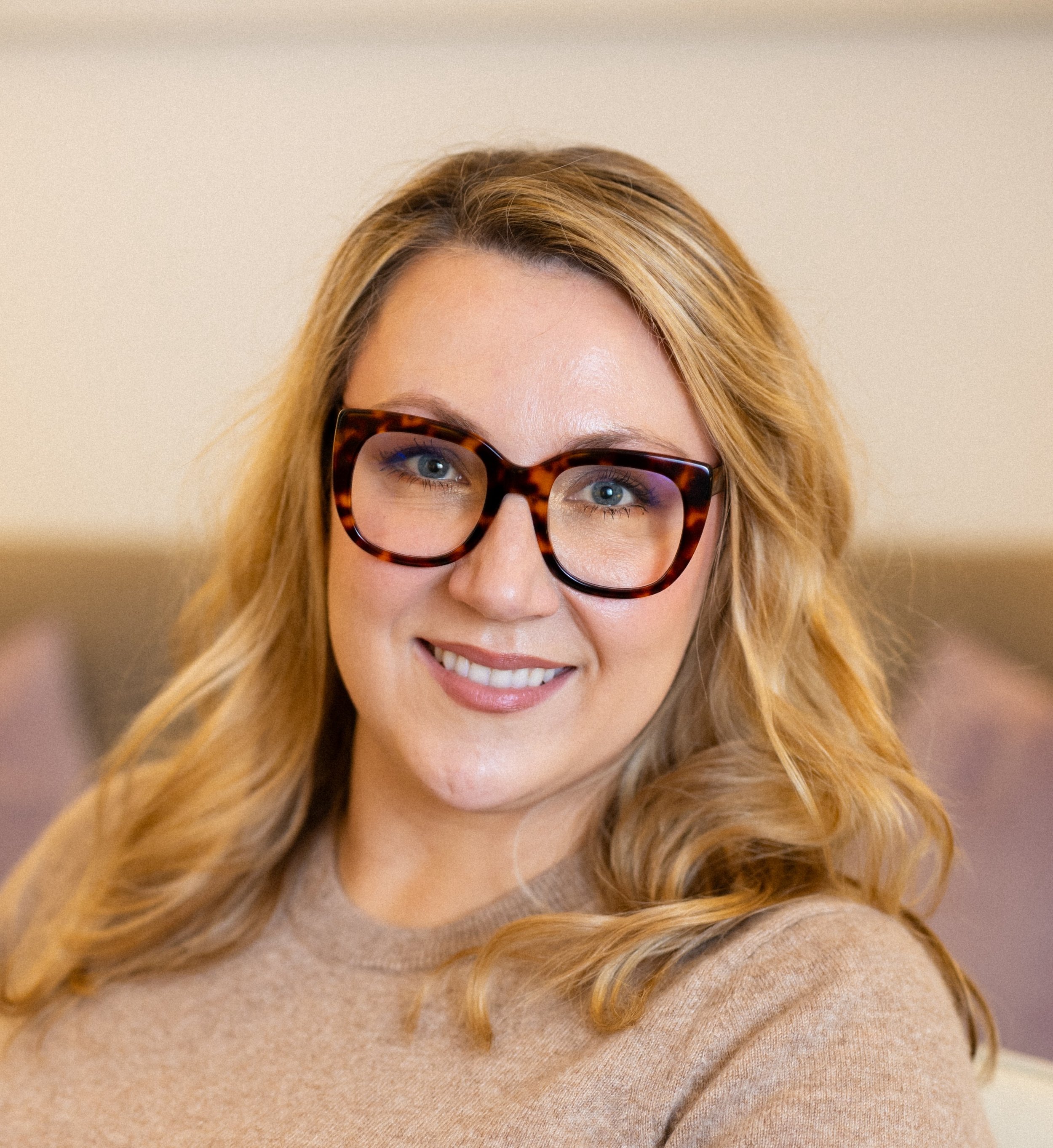
Who Am I?
Hi there! My name is Anne (She/her) and I'm a licensed mental health counselor on the Seattle Eastside who loves helping people reconnect with their body and mind, and stop the internal war when it comes to food and body. Curious to know more? Check out my About me page.